

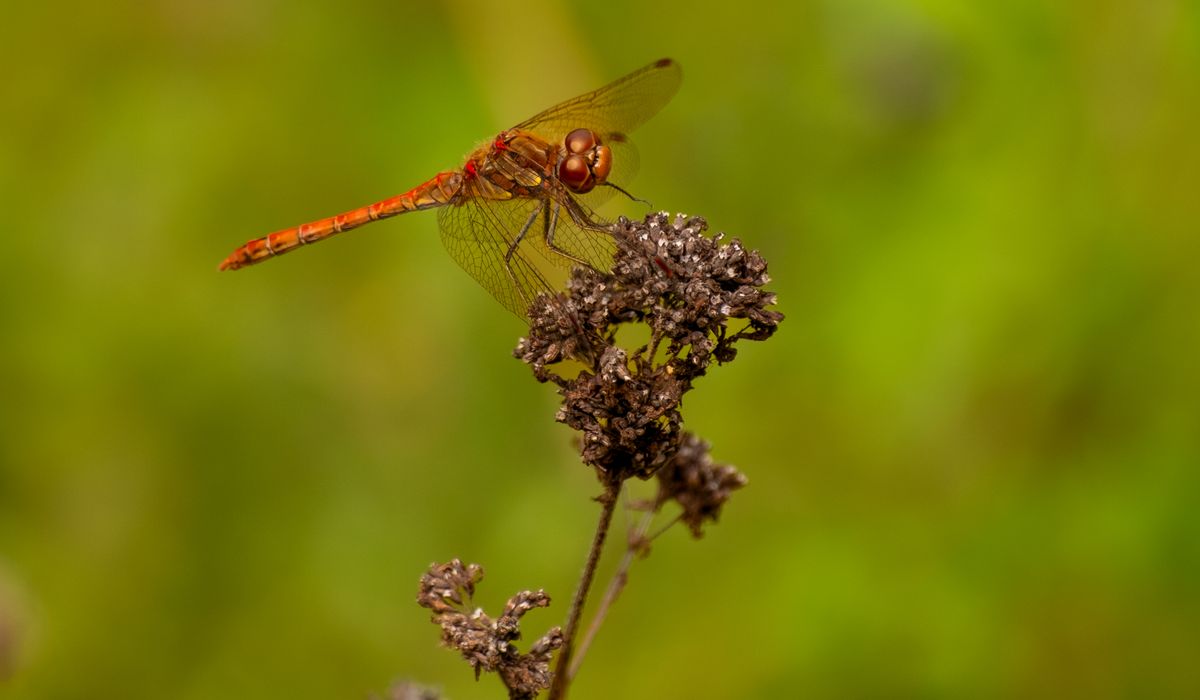
Wasp Nest Removal: When to Call a Professional
Why a Wasp Nest Deserves Respect
A wasp nest in the eaves, the shed or the compost heap is one of those discoveries that makes you step back sharply. And rightly so. Unlike bees, which are generally docile when left alone, common wasps and German wasps become aggressive quickly, and a single nest can hold several thousand workers at the height of summer. Each wasp can sting repeatedly, and the sting is painful enough on its own without the complication of an allergy, a small child nearby or a pet that cannot resist snapping at anything that buzzes.
That said, not every nest needs a pest controller. Many are in places people never go, and wasps are genuinely useful in the garden, hunting caterpillars, aphids and flies to feed their larvae. The trick is knowing which situation you are in. Below is a practical guide to judging that, based on what we see in UK homes, gardens and smallholdings every season.
Know What You Are Dealing With
Before you make any decision, identify the insect. It matters, because the advice differs.
- Common wasp and German wasp: Yellow and black, bold, curious and quick to defend the nest. Nests are usually in lofts, wall cavities, air bricks, sheds, garages, hedges and old rodent burrows. These are the ones that cause most call-outs.
- Hornets: Larger, browner and generally less aggressive unless the nest is disturbed. Still not a job for a ladder and a can of spray.
- Solitary wasps and digger wasps: Often nest alone in bare ground, mortar joints or plant pots. They rarely sting and can usually be left in peace.
- Bees: Honeybees and bumblebees are sometimes mistaken for wasps. Honeybee swarms are a job for a beekeeper, not a pest controller, and bumblebee nests are best left alone wherever possible.
If you can observe the nest from a safe distance, do so in the cool of early morning or late evening when activity is low. Never stand directly under the entrance.
When You Can Leave a Nest Alone
There are plenty of nests that realistically do not need touching. If the nest is well away from doors, windows, paths and seating areas, and nobody in the household has a sting allergy, the simplest and cheapest option is often patience. Wasp colonies die off naturally in late autumn, and the nest is never reused the following year. A nest high in a mature tree or tucked into a hedge at the bottom of a long garden will usually fizzle out on its own.
You can also reduce the risk of conflict without any chemicals. Keep bins lidded, clear up fallen fruit, cover sugary drinks and jam jars outdoors, and put wasp traps or decoy bait stations well away from the house so they draw insects in the opposite direction. On a smallholding, keep windfall apples and pear drops cleared from paddocks and orchards, and make sure livestock feed is not left out uncovered.
Signs It Is Time to Call a Professional
There are clear situations where DIY removal is not worth the risk. Contact a qualified pest controller if any of the following apply.
- The nest is in or on the house — in a loft, wall cavity, under roof tiles, in an air brick or beside a window or door.
- Anyone in the household, or a regular visitor, is allergic to stings, asthmatic, or has a weakened immune system.
- There are young children, elderly residents or pets who cannot reliably keep away.
- The nest is large or well established, or you can hear a steady hum through a wall or ceiling.
- The entrance is hard to reach, requiring a ladder, a roof, or access into a confined loft or outbuilding.
- Wasps are getting into living spaces through gaps around pipes, light fittings or loft hatches.
- You have already tried a shop-bought spray and made the colony angry rather than eliminating it.
- The nest is on a smallholding near livestock, where agitated wasps can spook animals and cause injuries.
If two or more of these apply, stop weighing it up and make the call. The cost of a professional visit is modest compared with an A&E trip.
Why DIY Wasp Nest Removal Goes Wrong
The failures we hear about follow a familiar pattern. Someone waits until dusk, climbs a ladder with a can of foam or a bucket of water, and treats the visible entrance rather than the whole nest. Within seconds, dozens of wasps pour out looking for the threat. On a ladder, in the dark, that is a genuinely dangerous position.
Other common mistakes include sealing up the entrance hole, which simply forces wasps to chew a new exit into the room behind it, and using a torch, which attracts them straight to your face. Petrol, bleach and burning are all worse ideas still. A professional uses the right insecticidal dust or spray, applied to the nest itself or the entry point at the correct time of day, with protective equipment and a plan for a colony that does not settle. They will also advise on sealing entry points afterwards so next spring's queens look elsewhere.
What Happens After Treatment
After a professional treatment, activity at the entrance usually drops sharply within a few hours, though you may see a few confused wasps for a day or two. Keep windows and doors shut, keep children and pets away from the area, and do not block the entrance for at least a few days. The nest itself can normally be left in place if it is inside a wall or loft — it will dry out and cause no further trouble. If it is somewhere accessible and you want it gone, wait until the colony is completely dead and ask the technician to remove it.
Finally, think ahead to next year. Wasps often return to the same general area, so check lofts, eaves, air bricks and outbuildings in early spring, when you may spot a single queen starting a small nest the size of a golf ball. Removing that early nest is far easier — and far safer — than dealing with a full colony in August.


Humane Trapping
-
Recognise slugs, aphids, vine weevils and other common garden pests by their damage, so you can choose the right control method.

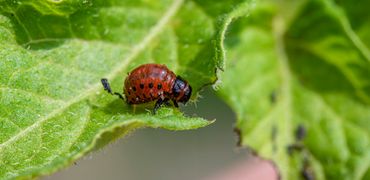
Garden Wildlife



-

Long established fact that a reader will be distracted
-

Long established fact that a reader will be distracted
-

Long established fact that a reader will be distracted


Pest Prevention
Karla Gleichauf
12 May 2017 at 05:28 pm
On the other hand, we denounce with righteous indignation and dislike men who are so beguiled and demoralized by the charms of pleasure of the moment
M Shyamalan
12 May 2017 at 05:28 pm
On the other hand, we denounce with righteous indignation and dislike men who are so beguiled and demoralized by the charms of pleasure of the moment
Liz Montano
12 May 2017 at 05:28 pm
On the other hand, we denounce with righteous indignation and dislike men who are so beguiled and demoralized by the charms of pleasure of the moment