

Choosing the Right Trap for Rats
Start With the Rat, Not the Trap
It is easy to walk into a farm shop or builders' merchant and buy the first trap on the shelf, but a little thought beforehand will save you a great deal of frustration. Rats are naturally neophobic, meaning they are wary of anything new in their environment, and they rarely wander blindly into a device. They travel along wall edges, pipe runs, fence lines and the backs of sheds, using established routes that they mark with grease smears and droppings. Setting a trap in the middle of an open floor is one of the most common reasons people give up and assume "the traps don't work".
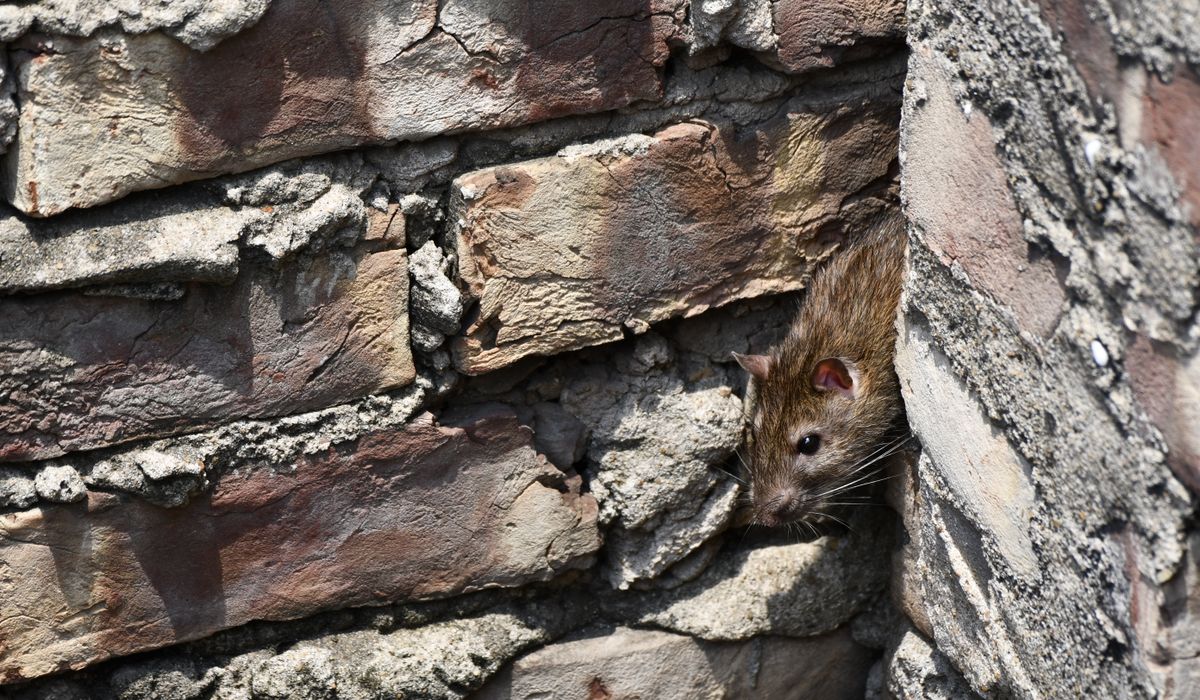
It also helps to know which rat you have. The brown rat is the usual culprit in UK homes, gardens and smallholdings, a sturdy animal that can weigh well over 300 grams and will happily gnaw through plastic, timber and even soft metal. The rarer black rat is smaller and more agile in roof spaces. Before purchasing anything, take an evening to watch where the runs actually go. That ten minutes of quiet observation will matter far more than the brand on the box.
Snap Traps: Still the Workhorse
The traditional snap trap remains the benchmark against which everything else is judged. A well-made rat trap delivers a fast, decisive strike when set correctly, and it remains the cheapest way to deal with a persistent rodent. Look for a trap rated specifically for rats rather than mice; a mouse trap will injure a rat without dispatching it quickly.
- Set along runs, not across them. Place the trap at right angles to the wall, with the trigger plate against the skirting or wall line so the rat passes over it on its usual route.
- Pre-bait for two or three nights. Leave the trap unset with a smear of peanut butter or a piece of nut and let the rat feed confidently from it. Set it only once the bait is being taken readily.
- Use a tunnel or box. This protects pets, hedgehogs, birds and children, and it also gives the rat the dark, enclosed cover it prefers.
- Check twice daily, without fail. A trap left unchecked for hours is neither humane nor effective.
Snap traps are genuinely humane when they are positioned properly and checked promptly, but a poorly placed trap causes suffering without solving anything.
Live Traps: Handle With Real Care
Live cage traps let you catch animals without killing them on site, but they are widely misunderstood as an easy, gentle answer. The catch is what happens next. A confined rat is stressed, and in a cage exposed to sun, rain or overnight cold it can deteriorate quickly. Under UK law, releasing a brown rat into the wild is not permitted, as it is not a native species, so the idea that you can simply drive it to a field and let it go is legally and ecologically wrong.
If you use a live trap, choose a cage at least 30 centimetres long, cover it with a cloth or cardboard for shelter, provide water and a little food, and check it every few hours rather than twice a day. Any dispatch must be carried out swiftly and humanely by someone competent to do so, and if you are not comfortable with that, the trap is likely not the right tool for you. Glue boards, incidentally, should be avoided entirely: they are slow and distressing, and their use in England now requires a licence that ordinary householders will not hold.
Electric Traps: Clean, Quick and Contained
Modern electric kill traps have become very popular for indoor use, and with good reason. A rat enters a tunnel-shaped chamber, receives a lethal electric shock, and the body is contained out of sight. There is no blood, no bait needed in most models, and no risk of a half-struck animal. They run on batteries or mains power.
Their limitations are worth knowing. They are considerably more expensive per unit than a snap trap, so dealing with a well-established colony means buying several. They are designed for dry internal spaces such as kitchens, lofts, pantries and outbuildings, and should never be used outdoors where damp, rain or spillage could compromise the unit. As with any trap, check them daily and clean them between catches.
Matching the Trap to the Setting
- Kitchen, pantry or utility room: electric trap or a snap trap inside a tamper-resistant box along the unit kickboards.
- Loft or roof space: electric traps with bait stations nearby, set along joists and the top of wall plates.
- Garden, shed or garage: snap traps in tunnels, pre-baited and placed tight against fence lines and wall bases.
- Smallholding or stable yard: a mixture of all three, rotated, with traps grouped rather than scattered, since rats quickly learn to avoid single unfamiliar devices.
Variety matters. Trap-shy rats will investigate the same trap only once, so shifting positions and swapping devices between spots keeps you ahead of them.
Safety, Hygiene and a Sensible Mindset
Whichever trap you choose, wear disposable gloves when setting and emptying it, and wash your hands thoroughly afterwards. Rats can carry leptospirosis, and the risk rises with any cut or graze on your hands. Dispose of carcasses double-bagged in general waste, never in garden compost or a hedge.
Finally, remember that trapping alone rarely solves a rat problem for long. Rats need food, water and cover, and if you kill one animal while a spill of poultry feed and a broken shed floor remain, another will move in within weeks. Seal your bins, store feed in metal containers, clear dense growth from wall bases and repair gaps beneath sheds. Do that alongside sensible trapping, and you will not simply be managing the same rats over and over again. If the problem is widespread or keeps returning, a local pest control professional is worth the cost, both for the reassurance and for the speed of a proper survey.


Humane Trapping
-
Clean, check and store traps correctly to ensure they remain effective and safe for both target animals and non-target wildlife.


Garden Wildlife




-

Long established fact that a reader will be distracted
-

Long established fact that a reader will be distracted
-

Long established fact that a reader will be distracted



Pest Prevention
Karla Gleichauf
12 May 2017 at 05:28 pm
On the other hand, we denounce with righteous indignation and dislike men who are so beguiled and demoralized by the charms of pleasure of the moment
M Shyamalan
12 May 2017 at 05:28 pm
On the other hand, we denounce with righteous indignation and dislike men who are so beguiled and demoralized by the charms of pleasure of the moment
Liz Montano
12 May 2017 at 05:28 pm
On the other hand, we denounce with righteous indignation and dislike men who are so beguiled and demoralized by the charms of pleasure of the moment