

Safe Release Methods After Humane Trapping
Humane trapping is only half the job. The moment you open the trap door, you become responsible for what happens next. Release the wrong animal in the wrong place at the wrong time, and you risk stress, injury, legal trouble, or a quick return to your kitchen. This guide walks you through best practice for UK homes, gardens and smallholdings.
Plan the release before you set the trap
Before any trap is set, know what you will do if you catch a protected or non-native species. In the UK, it is illegal to release certain non-native animals, including grey squirrels, muntjac deer and signal crayfish. Protected species such as badgers, red squirrels, dormice and most wild birds must be released at the point of capture unless a licence says otherwise. If you accidentally catch one, open the trap and let it go exactly where it was caught, then seek advice.
Have everything ready: thick gloves, a dark breathable cover, a secure transport box, and disinfectant. Check you have permission from the landowner before releasing any animal on their land. Never release on a nature reserve, Site of Special Scientific Interest, or someone else's garden without asking.
Choosing a suitable release site
For native wildlife, the best site is usually close to where the animal was caught. Most mammals have a home range and moving them far away is stressful and often fatal. For pest rodents such as rats and mice, releasing is rarely a permanent solution, but if you do it, choose a site with written permission, well away from homes, roads, railways, watercourses and livestock feed stores.
Good release sites have:
- Dense cover such as hedgerows, woodland edge, log piles or bramble patches.
- No immediate roads, busy footpaths, or areas with dogs and cats.
- A reliable water source nearby, but not a riverbank that floods.
- No active traps, poison or bait stations.
Avoid releasing animals into areas where they will become a nuisance or be at risk. For example, do not release rats near poultry sheds or grain stores, and do not release hedgehogs in wet, boggy ground.
Timing matters more than you think
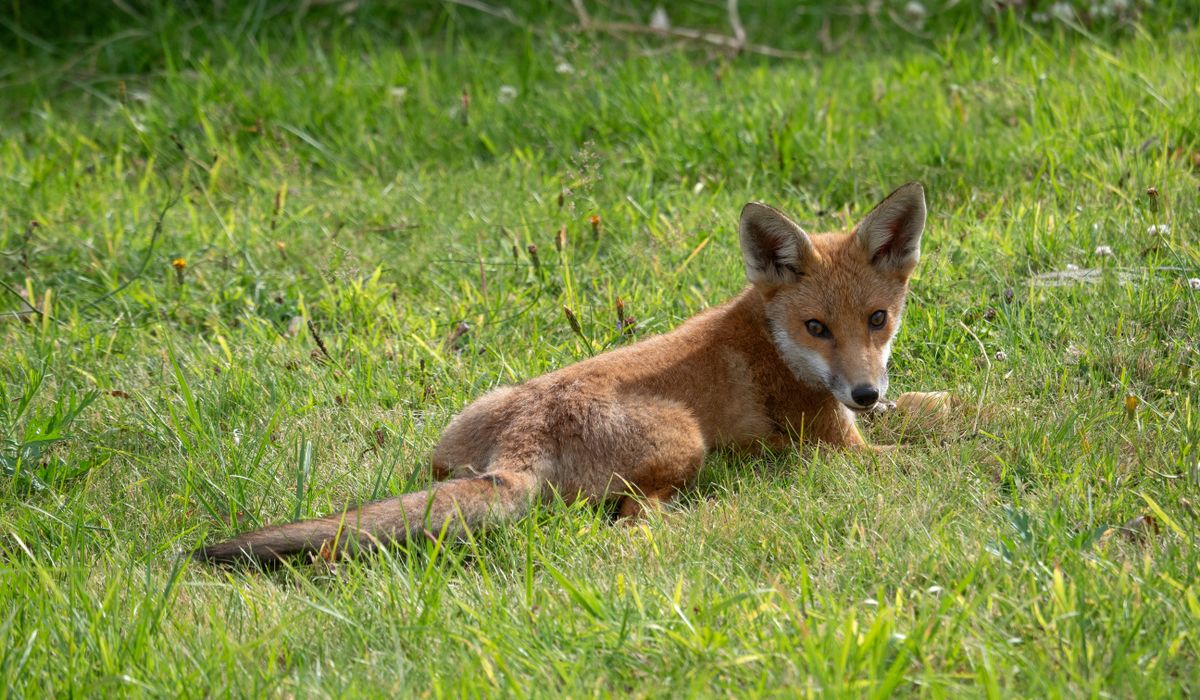
Release nocturnal animals, such as hedgehogs, foxes and most rodents, at dusk. Release diurnal animals, such as birds and squirrels, in the early morning. This gives them time to find cover and settle before predators become active. Avoid releasing during extreme heat, frost, heavy rain or strong wind.
Check traps at least every few hours during the day and first thing in the morning. If an animal has been trapped for a while, move the trap into shade, keep it quiet, and release as soon as possible. Never leave a trap unchecked overnight if there is a chance of catching a nocturnal species.
Minimising stress during transport
Cover the trap with a dark, breathable cloth or hessian sack. This calms most animals and reduces the chance of them hurting themselves. Do not use plastic sheeting, which can overheat. Keep the trap level and secure in your vehicle so it cannot slide. Do not put it in a hot boot or in direct sunlight.
Drive smoothly, keep the radio off, and avoid loud conversations. Do not open the trap in the vehicle. If you must move a small mammal to a box, wear gloves and work quickly and quietly. Keep children and pets away. If the animal is injured, do not release it; contact a wildlife rescue for advice.
The release itself: slow and steady
Place the trap on level ground with the door facing dense cover. Stand to one side, open the door, and step back at least ten metres. Stay quiet and still. Let the animal leave on its own. Do not tip the trap, shake it, or poke the animal out. Most will bolt within minutes. If they hesitate, walk away and check from a distance after fifteen to thirty minutes.
For birds, open the box in shaded cover and step back. For hedgehogs, release at dusk near a hedge or log pile. For red squirrels, place the trap at the base of a tree in woodland. Once the animal has gone, close the trap, remove it, and clean it thoroughly with a pet-safe disinfectant. Record what you caught, where, and when.
When release is not the right option
Some animals must not be released. Grey squirrels, muntjac deer and signal crayfish are invasive non-native species, and releasing them is an offence. Contact a licensed pest controller or your vet for humane dispatch advice. Injured, orphaned or sick animals need a wildlife rescue, not a quick release.
If you catch a protected species by accident, release it immediately at the point of capture. If you are unsure, stop and seek advice from a wildlife rescue or your local council. A calm, thoughtful release gives the animal its best chance and keeps you on the right side of the law and your conscience.


Humane Trapping
-
Simple proofing steps can stop mice entering your kitchen. Seal gaps, store food securely and monitor for signs of activity.
Garden Wildlife
-

Long established fact that a reader will be distracted
-

Long established fact that a reader will be distracted
-

Long established fact that a reader will be distracted
Pest Prevention
Karla Gleichauf
12 May 2017 at 05:28 pm
On the other hand, we denounce with righteous indignation and dislike men who are so beguiled and demoralized by the charms of pleasure of the moment
M Shyamalan
12 May 2017 at 05:28 pm
On the other hand, we denounce with righteous indignation and dislike men who are so beguiled and demoralized by the charms of pleasure of the moment
Liz Montano
12 May 2017 at 05:28 pm
On the other hand, we denounce with righteous indignation and dislike men who are so beguiled and demoralized by the charms of pleasure of the moment