

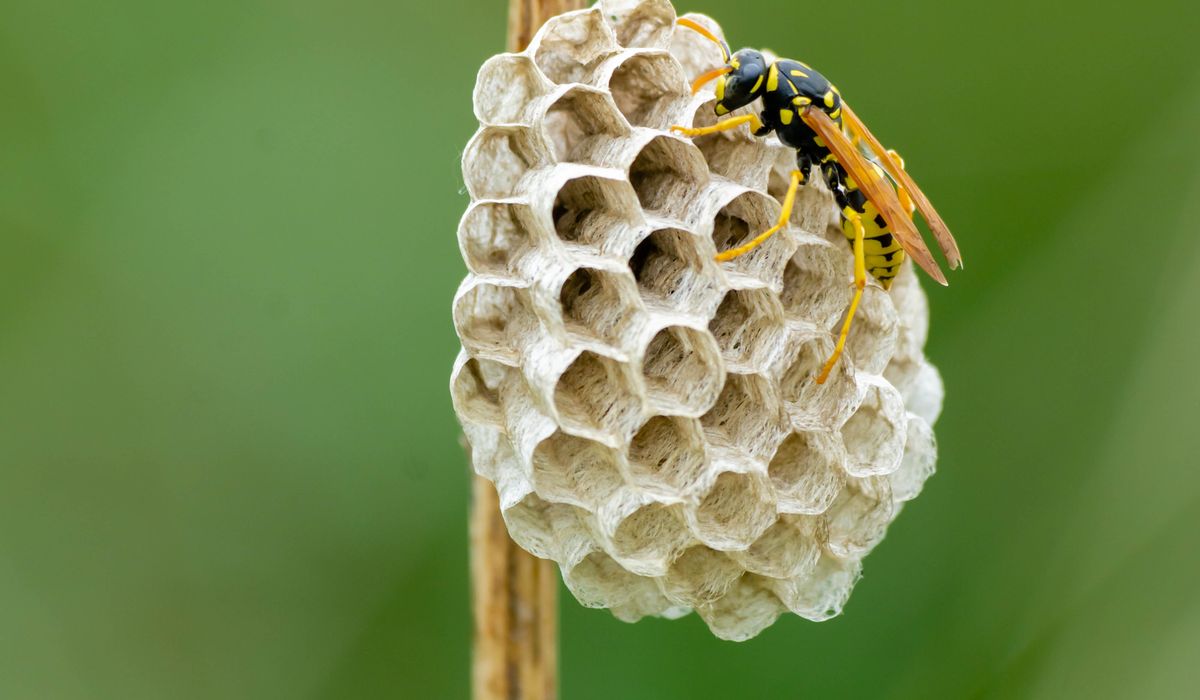
Dealing with Cluster Flies in Lofts
Why cluster flies choose your loft
If you have opened the loft hatch on a mild autumn day and been met with a slow, humming cloud of flies, you are almost certainly looking at cluster flies. They are slightly larger and broader than a house fly, duller in colour, and noticeably sluggish — they tend to bumble and drift rather than dart about. In late summer and early autumn they gather on warm, south-facing walls and then work their way into buildings through the smallest of gaps, settling in lofts, wall cavities, roof voids and unused chimneys.
The important thing to understand is that they are not breeding up there. Cluster flies lay their eggs in soil, and their larvae develop inside earthworms in lawns, fields and paddocks. Your loft is simply a dry, sheltered place to sit out the cold months. On mild days in late winter and early spring they wake up, drift downwards towards the light, and appear in clusters on upstairs windows. Once they are outside again, the cycle repeats the following year.
The good news: a nuisance, not a hazard
Cluster flies do not bite, do not carry disease to people, do not breed indoors and do not eat fabric, timber or stored food. They are not a sign of poor hygiene and they are not feeding on anything in your house. Their only real offence is their numbers, plus the dark speckling they leave on windowsills and walls — a mixture of droppings and undigested matter that can stain pale paintwork if left for months.
That matters because it tells you what kind of job this is. It is not a chemical war, it is an exclusion and removal problem. Slow, careful sealing in late summer does far more good than anything you can spray around in January.
Sealing the loft properly
Autumn is the time to act, before the flies arrive. Walk the outside of the building — ideally with a torch and a ladder, and with someone else present — and work methodically around the roof line.
- Eaves and soffits: check for gaps where the roof overhang meets the wall, and where fascia boards have shrunk or rotted. Fine insect mesh stapled behind soffit vents keeps flies out while still allowing ventilation.
- Airbricks and roof vents: fit mesh covers rather than blocking them. A loft needs airflow to prevent condensation and rot.
- Ridge tiles, slipped slates and mortar gaps: repointing or re-bedding loose tiles both keeps flies out and protects the roof itself.
- Service entries: seal around cables, pipes, aerial cables and soil stacks with a suitable flexible sealant or mortar, not expanding foam alone, which can crack.
- The loft hatch: a brush or rubber draught seal around the frame will cut off the easiest route into the house, and has the bonus of keeping warmth in.
- Unused chimneys: a ventilated cap or mesh guard is usually enough.
One crucial caveat: in the UK, bats and their roosts are legally protected, even when no bats are present. Never block a gap you have not checked properly. Look for droppings, staining or rub marks, and if there is any chance of bats, or your property is an older building with a known roost nearby, take advice before you seal anything.
Removing the flies already inside
For flies already gathered in the loft, the simplest and kindest method is a vacuum cleaner with a bag, used on a cool morning when they are torpid. Work the nozzle along the ridge beam, into corners and around the roof light. Empty the bag outside straight away, well away from the house, and they will disperse.
For smaller numbers, a soft brush and a lidded tub work well. Avoid squashing them against walls or carpets — it leaves marks that are harder to remove than the flies themselves.
A light trap is useful in spring. Take an ordinary cardboard box, cut a single small hole in one side, and place a small torch inside it. Set it in the loft on a warm afternoon with the loft hatch closed. Flies drift towards the light, crawl through the hole and stay put; empty the box outdoors in the evening.
On the first genuinely warm, sunny day of late winter, open an upstairs window on the sunny side and let them make their own way out. Gently brushing them towards the opening speeds things up. Do not use a fogger or smoke bomb in a loft. These kill spiders and other harmless residents, leave residue on timbers and insulation, and are a serious risk if bats are roosting nearby.
Humane, chemical-free control that lasts
Food-grade diatomaceous earth, puffed thinly into cracks and voids and behind loft boarding, will kill flies that walk through it by drying out their outer coating. It is not a poison, but it is not pleasant to breathe either, so wear a mask and keep it away from pets and children.
Resist the temptation to treat the lawn. The flies are linked to earthworms in the soil, and any local population will simply drift in from neighbouring gardens and fields, so lawn treatments are wasted effort.
Finally, keep a note in the diary for late August. A quick check of the eaves, a top-up of any mesh, and a cool-morning vacuum as soon as you spot the first cluster will keep the problem small. If numbers grow every year, or you live in a listed building or near a bat roost, a wildlife-aware pest controller can advise on both the flies and the legal protection in place — the two need not be in conflict.


Humane Trapping
-
Protect plants from rabbits using fencing, repellents and live traps, always checking local laws before taking any action.

Garden Wildlife



-

Long established fact that a reader will be distracted
-

Long established fact that a reader will be distracted
-

Long established fact that a reader will be distracted

Pest Prevention
Karla Gleichauf
12 May 2017 at 05:28 pm
On the other hand, we denounce with righteous indignation and dislike men who are so beguiled and demoralized by the charms of pleasure of the moment
M Shyamalan
12 May 2017 at 05:28 pm
On the other hand, we denounce with righteous indignation and dislike men who are so beguiled and demoralized by the charms of pleasure of the moment
Liz Montano
12 May 2017 at 05:28 pm
On the other hand, we denounce with righteous indignation and dislike men who are so beguiled and demoralized by the charms of pleasure of the moment