

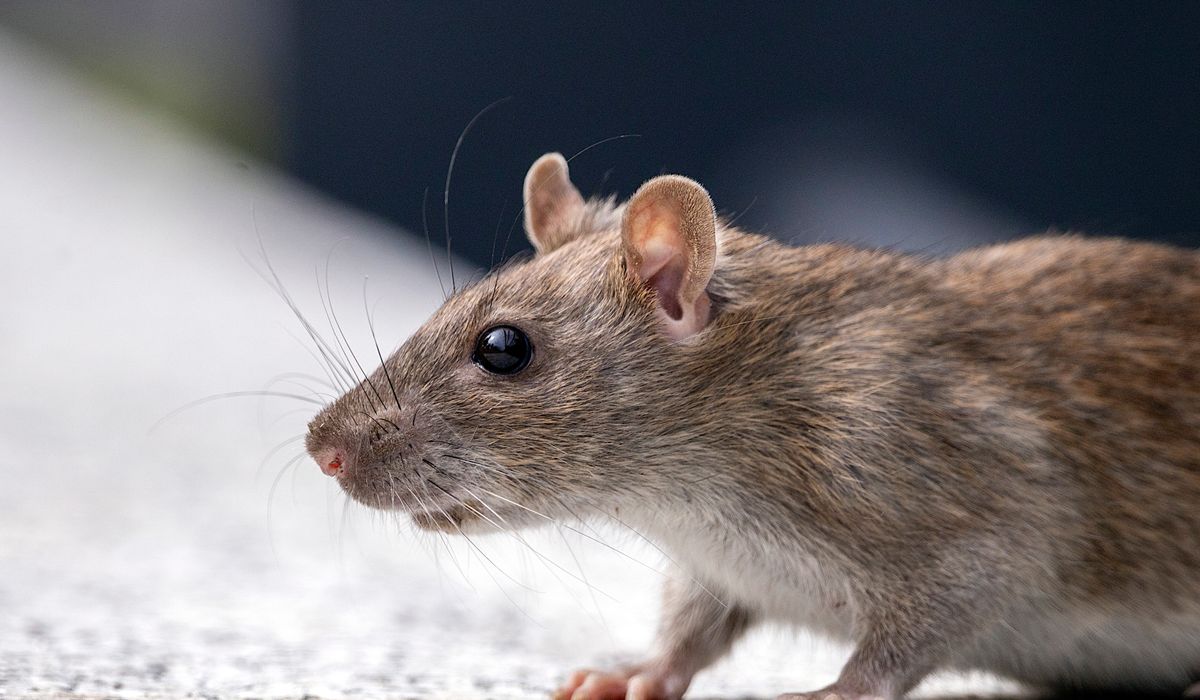
Monitoring for Pests Without Harming Pets
Spotting a pest problem early is the kindest approach for everyone – your family, your pets, and the wildlife sharing your space. The trick is to monitor quietly and safely, using methods that won’t harm curious cats, dogs, or the creatures you’re trying to observe. Here’s how to keep an eye on your home, garden, and smallholding without turning your pet into a casualty of your detective work.
Why Early Monitoring Beats Panic Later
When you notice droppings, gnaw marks, or a strange smell, it’s tempting to reach straight for poison or a trap. But that reactive approach puts pets and wildlife at risk. Early monitoring gives you the full picture: which species is present, where it’s travelling, and whether it’s just passing through or settling in. With that knowledge, you can choose humane deterrents, proofing, or gentle removal methods – and you can keep your dog or cat well away from anything risky. Monitoring also tells you when there’s nothing to worry about, saving you money and stress.
Set Up Pet-Safe Cameras
Cameras are your quietest, safest pair of eyes. A basic trail camera in the garden or a small indoor Wi-Fi camera can capture night-time visitors without any traps or baits. Place cameras high up – on a fence post, shed roof, or shelf – well above where your pets can reach. Secure cables or use battery models to avoid chewing hazards. For smallholdings, aim cameras at feed stores, hen houses, and compost heaps, which are prime pest hotspots.
- Indoor cameras: position them to cover gaps under doors, behind appliances, and along skirting boards.
- Outdoor cameras: use night vision and motion alerts, but turn off bright IR if it spooks pets or wildlife.
- Check footage weekly: a quick scan at dawn or dusk reveals activity patterns without disturbing anything.
Never use sticky traps or snap traps near cameras – the point is observation, not capture.
Tracking Dust and Footprint Traps
A thin layer of pet-safe tracking dust – often chalk or kaolin-based – lets you see footprints without harming anyone. Sprinkle it lightly along walls, behind furniture, and across suspected entry points. Use a soft brush or sieve. Avoid deep piles that pets might inhale or eat. If you prefer a homemade option, plain cornflour works, but only use it where pets can’t lick it, as some animals have sensitive tummies.
Check the dust each morning with a low-angle torch. You’ll see clear prints: mouse tracks are tiny with four toes on front feet, rats show larger prints with a tail drag, and squirrels leave a bounding pattern. Clean up and reapply after a few days. For smallholdings, use tracking dust around feed bins and along fence lines, but keep it away from drinking water and bird feeders.
Regular Inspections: Where to Look and How Often
Set aside ten minutes a week for a gentle walk-around. You’re looking for changes, not confirming a crisis.
- Kitchen and pantry: check behind the fridge, under the sink, and in dark cupboards for droppings, gnaw marks, or grease smears.
- Loft and eaves: look for shredded insulation, nesting material, or daylight through gaps.
- Garden and outbuildings: inspect compost bins, woodpiles, and shed corners. Look for burrows, runs in grass, or chewed plant stems.
- Smallholding specifics: check feed bags, hay bales, and animal housing for signs of rats or mice. Look for tunnels in bedding.
Do this at dawn or dusk when pests are most active. Keep a simple notebook or phone note of what you see and where. Patterns emerge quickly.
Reading the Signs Without Overreacting
One dropping is not an infestation. A single gnaw mark might be old. Use your monitoring tools to confirm before you act. Fresh droppings are dark and soft; old ones are grey and crumbly. Grease marks along walls show regular rodent routes. A musky smell can indicate mice, while a stronger ammonia smell suggests rats. Scratching sounds at night often mean rodents in walls or lofts.
If you find evidence, don’t touch it with bare hands. Wear gloves and a mask, and dispose of it safely. Then check your camera footage and tracking dust to see how many animals are involved and where they’re entering. This tells you whether you need to seal a gap, remove a food source, or call a humane pest control advisor.
Making Monitoring a Gentle Habit
Consistency matters more than intensity. Put a weekly reminder on your phone. Involve the family – children can help check tracking dust with a torch, making it a nature detective game. Keep pets indoors or in another room while you inspect, especially if you’re using dust or checking traps (though we recommend no-kill methods).
If you do find an active problem, stay calm. Humane options include proofing entry points, removing attractants, using ultrasonic deterrents (test they don’t distress pets), or contacting a wildlife-friendly pest controller. Never use poisons if pets or children share the space – secondary poisoning is a real risk. With patient monitoring, you’ll spot issues early and solve them kindly.


Humane Trapping
-
Live catch traps suit certain species and situations. Learn when they are appropriate and how to check them frequently.
Garden Wildlife


-

Long established fact that a reader will be distracted
-

Long established fact that a reader will be distracted
-

Long established fact that a reader will be distracted

Pest Prevention
Karla Gleichauf
12 May 2017 at 05:28 pm
On the other hand, we denounce with righteous indignation and dislike men who are so beguiled and demoralized by the charms of pleasure of the moment
M Shyamalan
12 May 2017 at 05:28 pm
On the other hand, we denounce with righteous indignation and dislike men who are so beguiled and demoralized by the charms of pleasure of the moment
Liz Montano
12 May 2017 at 05:28 pm
On the other hand, we denounce with righteous indignation and dislike men who are so beguiled and demoralized by the charms of pleasure of the moment