

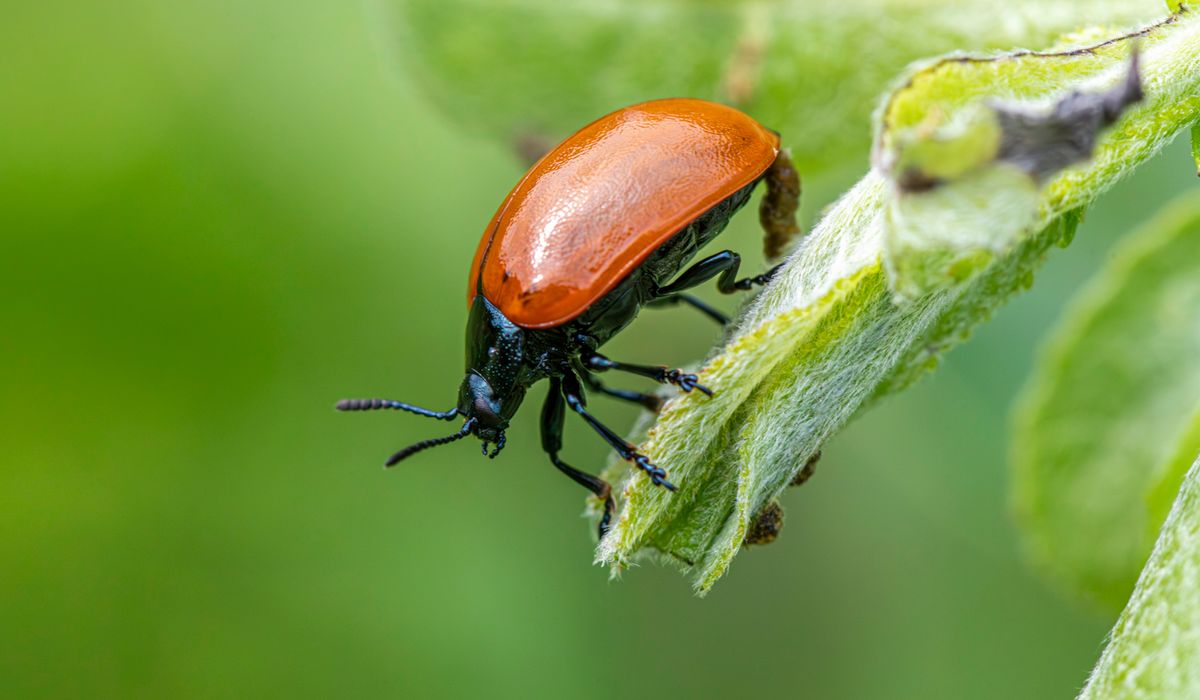
Building a Wildlife-Friendly Garden Boundary for Pest Control
A garden boundary is more than a fence or a hedge. It is the interface between your patch and the wider world, and with a little thought it can be a powerful tool for natural pest control. In the UK, we are lucky to have a wealth of beneficial wildlife that will happily help keep slugs, aphids, and rodents in check — if we give them a home. The trick is to design a boundary that welcomes these allies while quietly discouraging the creatures that nibble your cabbages and raid your feed bins.
Start with the Right Mindset
Wildlife-friendly pest control is not about eradication; it is about balance. A boundary that supports predators creates a natural check on pest numbers, so you rarely need to reach for chemicals. Think of your hedge, fence, and planted borders as a habitat mosaic that works year-round.
- Encourage predators such as hedgehogs, frogs, toads, birds, and ground beetles.
- Use barriers that exclude pests without harming wildlife — no sticky traps or poisons.
- Accept a few nibbled leaves; a garden teeming with life is a healthy one.
Hedges: Living Walls That Work
Native hedges are the gold standard for a wildlife-friendly boundary. They provide food, shelter, and corridors for everything from wrens to slow worms. A mixed hedge supports far more species than a single-species one, so aim for a blend of hawthorn, blackthorn, hazel, holly, field maple, and wild privet. Plant bare-root whips between November and March, spacing them 30–45cm apart in a double row. Allow the hedge to reach at least 1.2–1.5 metres tall and 60–90cm wide. This density blocks wind, deters rats (which dislike open, tidy ground), and gives cover to predators that hunt along the base.
Avoid trimming between March and August to protect nesting birds. Cut in late winter instead, and rotate your trimming so some sections always carry berries and dense growth. A thick, slightly untidy hedge is a pest-control powerhouse.
Fences and Walls: Solid but Porous
Solid fences offer privacy and wind protection, but they can also block wildlife movement and create rat runs. If you already have a close-board fence, fit gravel boards at the base to stop rats digging underneath. More importantly, add a small gap — 13cm by 13cm — at the bottom of each panel. This is a hedgehog highway, allowing these slug-eating visitors to pass through while still keeping out larger pests. Avoid netting or mesh that can entangle birds and hedgehogs.
For smallholdings, post-and-rail or stock fencing with larger mesh lets amphibians and hedgehogs through but may not stop rabbits. If rabbits are a problem, bury 31mm mesh at least 30cm deep along the base. For deer, you will need a taller barrier, but consider a prickly hedge of holly or hawthorn instead of pure fencing — it is kinder and doubles as habitat.
Planted Buffers: A Scented, Prickly Shield
Inside your boundary, plant a buffer strip of pest-repelling and predator-attracting plants. A 60cm-wide border is enough. Aromatic herbs such as lavender, rosemary, sage, and thyme deter aphids and cabbage white butterflies. Marigolds and nasturtiums trap pests and attract hoverflies, whose larvae devour aphids. Chives and garlic repel carrot fly and slugs. For smallholdings, a double row of comfrey or borage brings in bees and predatory wasps.
- Deterrents: lavender, rosemary, sage, chives, garlic, marigolds.
- Predator magnets: nasturtiums, borage, comfrey, poached egg plant.
- Avoid: invasive bamboos or knotweed unless contained in pots.
Water, Shelter, and Corridors
Wildlife needs water and shelter to thrive, and these features supercharge your boundary’s pest-control potential. Add a shallow pond or a birdbath with a gentle ramp for hedgehogs. Leave a pile of logs or leaves in a quiet corner — frogs and beetles will move in. Install a hedgehog house or an insect hotel. Create gaps in fences to link your garden to your neighbours’, forming a wildlife corridor that keeps predator populations healthy.
On smallholdings, leave rough grass margins and tussocky areas for overwintering insects and small mammals. These feed owls, kestrels, and buzzards, which in turn help control rodents. A messy edge is a productive edge.
Maintenance That Helps, Not Harms
Maintain your boundary without undoing the good work. Never use slug pellets or broad-spectrum insecticides near hedges or buffers — they kill the very predators you want. Use mulch, hand-picking, and nematodes instead. When trimming hedges, check for nests first and pause if you find any. Repair fences in early spring before birds nest, and rotate cutting so some sections always have berries. For smallholdings, compost manure thoroughly to kill parasite eggs, and rotate grazing to keep boundary vegetation diverse.
Remember that a few pests are a small price for a garden that buzzes, chirps, and rustles with life. Build your boundary with wildlife in mind, and the wildlife will return the favour — quietly, efficiently, and free of charge.


Humane Trapping
-
Use safe monitoring methods such as cameras, tracking dust and regular inspections to spot pest activity before it becomes a problem.

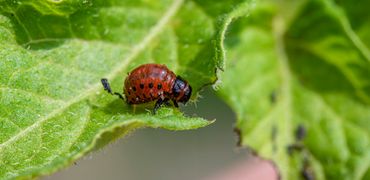
Garden Wildlife


-

Long established fact that a reader will be distracted
-

Long established fact that a reader will be distracted
-

Long established fact that a reader will be distracted

Pest Prevention
Karla Gleichauf
12 May 2017 at 05:28 pm
On the other hand, we denounce with righteous indignation and dislike men who are so beguiled and demoralized by the charms of pleasure of the moment
M Shyamalan
12 May 2017 at 05:28 pm
On the other hand, we denounce with righteous indignation and dislike men who are so beguiled and demoralized by the charms of pleasure of the moment
Liz Montano
12 May 2017 at 05:28 pm
On the other hand, we denounce with righteous indignation and dislike men who are so beguiled and demoralized by the charms of pleasure of the moment