

Understanding UK Wildlife Protection Laws for Homeowners
Why the law matters on your own land
It surprises plenty of people that owning a garden, a paddock or a smallholding does not give you carte blanche over the wildlife on it. In the UK, most wild animals belong to no one, and the law protects many of them regardless of whose land they happen to be standing on. Acting first and asking questions later can land you with an unlimited fine, a criminal record, or both — and prosecutions are not as rare as people assume.
The good news is that the rules are mostly common sense dressed up in legal language. Know which species need special care, use humane and lawful methods for the rest, and you can deal with most problems without breaking anything.
The main laws worth knowing
You do not need to memorise statutes, but four pieces of legislation cover the overwhelming majority of situations homeowners run into.
- The Wildlife and Countryside Act 1981 protects wild birds, their nests and their eggs while in use, along with a long list of specially protected animals and plants. It also controls the release of non-native species into the wild.
- The Protection of Badgers Act 1992 makes it an offence to injure, kill or interfere with a badger or to damage, destroy or obstruct a sett — even if the badgers are not in it at the time.
- The Conservation of Habitats and Species Regulations 2017 covers European protected species such as bats, great crested newts, dormice and otters, and is the reason bats and their roosts get such strong protection.
- The Wild Mammals (Protection) Act 1996 makes it an offence to inflict unnecessary suffering on any wild mammal, which rules out a great many "quick fixes" people still attempt.
Scotland, Wales and Northern Ireland each have their own variations, and enforcement sits with different bodies, so always check the position where you actually are.
Species you are most likely to meet
Bats are top of the list. All British bats and their roosts are protected, and that protection applies even when the bats are absent. Disturbing a roost, blocking an access point or carrying out roof work without a licence is an offence. If you find bats in a loft, the answer is a licensed ecologist, not a net and a torch.
Badgers are the other big one on smallholdings. A sett in a bank at the bottom of a field is not something you can dig out, fence off or fill in because it is in the way of a new shed.
Nesting birds catch people out constantly. You cannot take, damage or destroy an active nest, and this applies to the blackbird in the hedge as much as to anything rare. Hedge cutting is best done outside the main nesting season, roughly September to February. On a smallholding with agri-environment or cross-compliance obligations, cutting dates may be stricter still.
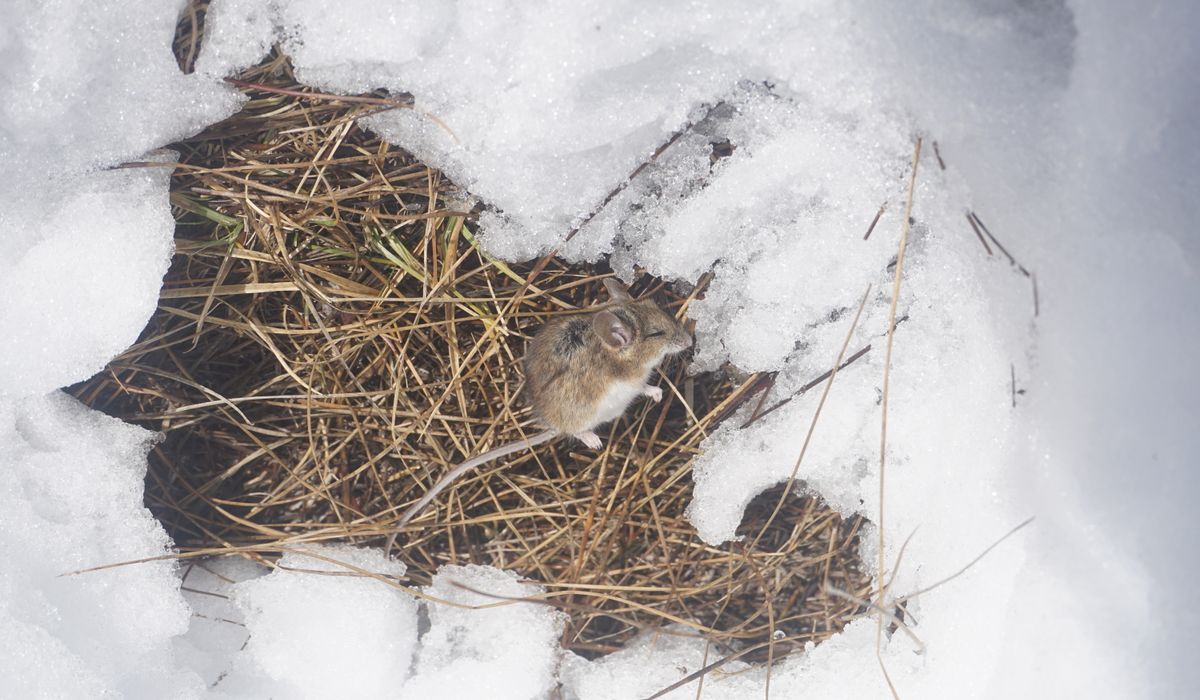
Add to that great crested newts in ponds, dormice in hedgerows, red squirrels in parts of the north, water voles along ditches and otters on rivers. Rats, mice, grey squirrels and rabbits are not protected in the same way, but they are still covered by welfare law, which means any control must be humane.
Trapping, moving and "taking it down the lane"
This is where well-meaning people most often slip up. Catching a grey squirrel or a rat and releasing it a few miles away feels kind, but releasing a non-native species into the wild is an offence, and relocated animals usually die anyway — they are dropped into territory already held by others.
- Glue traps are banned in England for rodents, and their use is tightly restricted elsewhere. They cause prolonged suffering and are not a DIY option.
- Spring traps must be approved types, set under cover and checked at least once a day. Setting one in the open or leaving it unchecked is an offence.
- Live-catch traps must be checked frequently, shaded, supplied with food and water, and never left set overnight in poor weather.
- No poison may be used against birds, squirrels, moles or rabbits. Rodenticides are restricted, and the stronger products are for trained professionals only.
- Never interfere with a badger sett, a bat roost or an active bird's nest, however inconvenient the timing.
Practical steps for gardens and smallholdings
Prevention beats confrontation nearly every time. Secure bins with clip-down lids, feed pets indoors or clear bowls straight away, and store feed in metal bins rather than sacks in a shed. Keep compost heaps turned and away from the house. Repair gaps under sheds and along eaves with galvanised mesh rather than foam, which rodents chew through in a night.
Before any building, roofing, tree felling or pond work, walk the site and look for signs: droppings, grease marks, fur, chewed edges, or a suspicious gap in the mortar. If anything looks like bat or badger activity, stop and get it checked. Early advice is cheap; a retrospective licence application is not.
When to seek advice or a licence
Talk to a qualified ecologist, your local authority, or the relevant statutory conservation body — Natural England, Natural Resources Wales, NatureScot or DAERA — if you find bats, badgers, dormice, great crested newts or otters, if you need to move or disturb a roost or sett, if protected species affect a planning application, or if you simply are not sure. Licensing exists precisely so that legitimate work can go ahead; the process is far less painful than a court appearance, and it protects your home, your garden and the wildlife that shares it.


Humane Trapping
-
Create a garden boundary that welcomes beneficial wildlife while keeping pests out, using hedges, fences and planted buffers.

Garden Wildlife


-

Long established fact that a reader will be distracted
-

Long established fact that a reader will be distracted
-

Long established fact that a reader will be distracted

Pest Prevention
Karla Gleichauf
12 May 2017 at 05:28 pm
On the other hand, we denounce with righteous indignation and dislike men who are so beguiled and demoralized by the charms of pleasure of the moment
M Shyamalan
12 May 2017 at 05:28 pm
On the other hand, we denounce with righteous indignation and dislike men who are so beguiled and demoralized by the charms of pleasure of the moment
Liz Montano
12 May 2017 at 05:28 pm
On the other hand, we denounce with righteous indignation and dislike men who are so beguiled and demoralized by the charms of pleasure of the moment